7 points for a cleaner kitchen
Published in Home and Consumer News
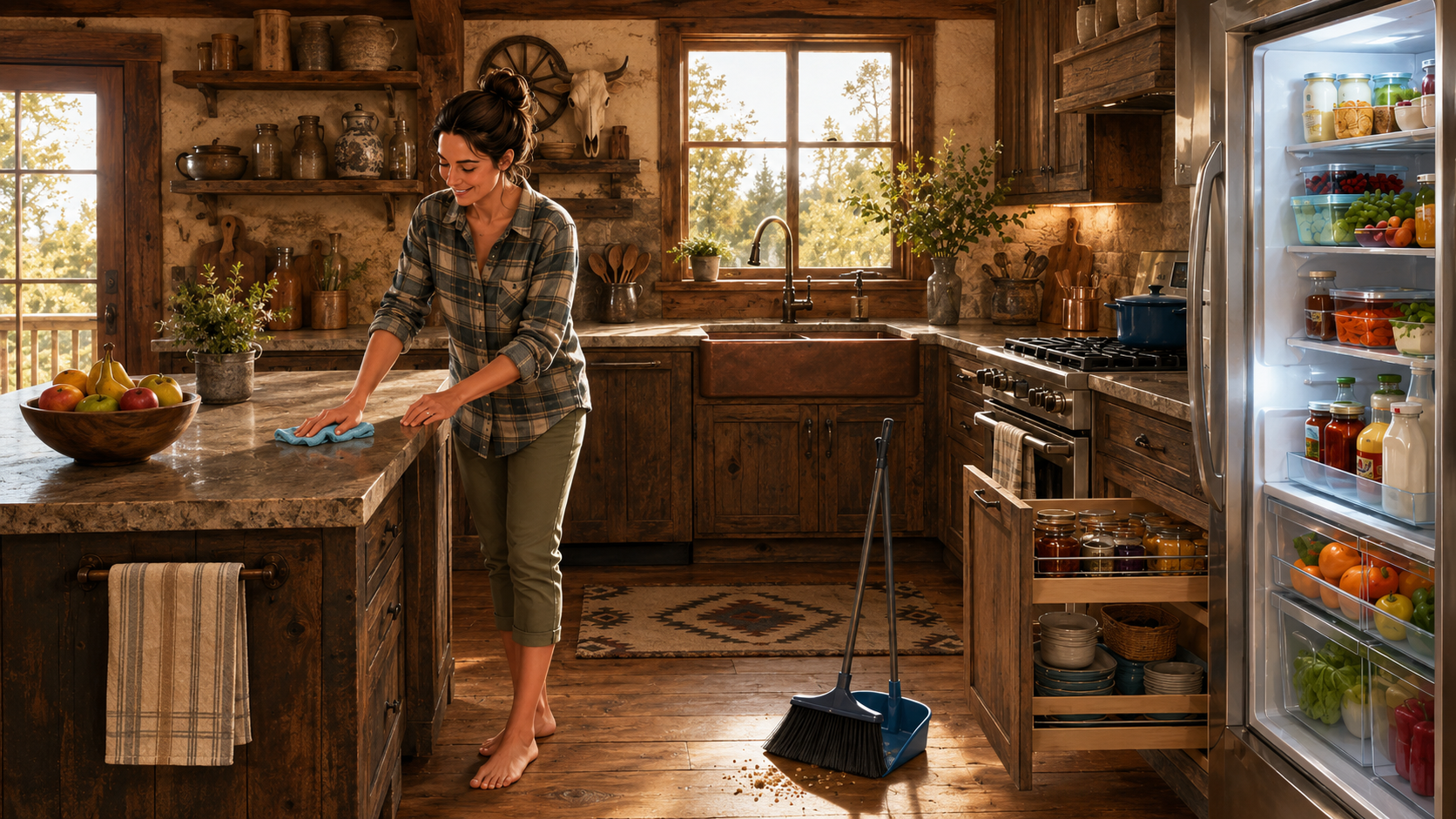
A cleaner kitchen does more than make a home look better. It makes cooking easier, keeps food safer and takes away some of the daily friction that builds up around meals, dishes, crumbs and clutter.
The good news is that a cleaner kitchen does not require a perfect kitchen. It does not even require hours of scrubbing. Most kitchen messes grow because small tasks are delayed until they become big ones. A few steady habits can keep the room under control and make deep cleaning less of a dreaded event.
1. Start with a clear counter
Kitchen counters collect everything: mail, keys, snack bags, appliances, water bottles, school papers and yesterday’s coffee mug. The first step toward a cleaner kitchen is giving yourself open space to work.
Clear counters make cooking easier and cleaning faster. When surfaces are crowded, wiping them down becomes a chore. When they are mostly empty, it takes seconds. Keep only the items you use every day on display, such as a coffee maker, toaster or utensil crock. Everything else should earn its place or be stored away.
A simple nightly reset helps. Before bed, move papers, put away food, toss trash and wipe the main prep area. Waking up to a clear counter makes the whole kitchen feel more manageable.
2. Wash dishes before they pile up
Dirty dishes can make an otherwise tidy kitchen look chaotic. They also attract odors and pests if they sit too long. The goal is not to wash every spoon the second it is used, but to avoid the dreaded mountain in the sink.
Load the dishwasher as you go, or hand-wash pots and pans while dinner finishes cooking. If a pan needs soaking, fill it with hot water and a little dish soap right away. That one step can save hard scrubbing later.
A good rule is to end the day with an empty sink. Even if the kitchen is not perfect, a clean sink creates a sense of order. It also makes breakfast easier the next morning because you are not starting the day by working around yesterday’s mess.
3. Clean spills when they happen
Spills are easiest to clean when they are fresh. Tomato sauce, coffee, grease, syrup and crumbs all become harder to remove once they dry, spread or get tracked around.
Keep a dishcloth, sponge or roll of paper towels within easy reach. Wipe stove splatters after the burner cools. Clean sticky spots on the floor before they collect dirt. Check cabinet fronts and drawer handles for fingerprints and drips.
This habit takes only a few seconds at a time, but it prevents a kitchen from feeling grimy. It also reduces the need for long cleaning sessions later.
4. Give everything a home
Clutter often builds up because items do not have a clear place to go. A kitchen becomes easier to clean when food, tools and supplies have assigned homes.
Store like with like. Keep baking supplies together, snacks in one area, spices near the cooking zone and cleaning supplies in a safe, consistent place. If plastic containers are always tumbling out of a cabinet, it may be time to match lids to containers and get rid of the extras.
Do not overlook the junk drawer. Every kitchen seems to have one, but it should not become a hiding place for things nobody wants to deal with. Sort it occasionally and remove old batteries, broken pens, mystery keys and takeout packets that have gone stale.
5. Control crumbs and food scraps
Crumbs are small, but they make a kitchen look dirty fast. They also attract ants, roaches, mice and other unwelcome visitors.
After meals, sweep or vacuum the main cooking and eating areas. Shake out toaster crumbs regularly. Wipe under small appliances, where bits of bread, cereal and coffee grounds tend to hide. Check chair cushions, table edges and the floor near pet bowls.
Food scraps should go into the trash, compost bin or garbage disposal promptly. If trash smells are a problem, use a smaller bag and take it out more often. A clean kitchen should look clean, but it should also smell clean.
6. Keep the refrigerator honest
A cleaner kitchen includes a cleaner refrigerator. Old leftovers, expired condiments and forgotten produce can create odors and waste valuable space.
Once a week, take a few minutes to scan the fridge. Toss food that is no longer safe or appealing. Move older items toward the front so they are used first. Wipe sticky shelves before the spill spreads.
Before grocery shopping, check what you already have. This prevents duplicate purchases and helps you plan meals around food that needs to be used soon. A tidy refrigerator makes cooking less stressful because you can see your options at a glance.
7. Build a simple closing routine
Restaurants close their kitchens every night by cleaning and resetting the space. A home kitchen benefits from the same idea, though on a smaller scale.
A closing routine might include loading the dishwasher, wiping counters, rinsing the sink, sweeping the floor and setting out a clean towel. It does not have to be elaborate. The point is to create a repeatable pattern that prevents mess from carrying over indefinitely.
If the kitchen is badly behind, do not try to fix everything at once. Start with trash, dishes and counters. Those three areas deliver the biggest visual improvement. Once they are under control, the rest becomes easier.
A cleaner kitchen is not about perfection. It is about reducing daily mess before it becomes overwhelming. Clear counters, steady dish habits, quick spill cleanup, organized storage, crumb control, a maintained refrigerator and a simple closing routine can transform the room.
The kitchen is one of the hardest-working spaces in the home. Keeping it cleaner makes it more pleasant, more useful and more welcoming, whether you are preparing a full dinner or just making coffee before the day begins.
========
Tessa Marlowe is a home and lifestyle writer who focuses on practical routines for busy households. Her work highlights simple ways to make everyday spaces cleaner, calmer and easier to enjoy. This article was written, in part, utilizing AI tools.







Comments