Barefoot at the Desk: The Curious Rise of Shoeless Office Style
Published in Fashion Daily News
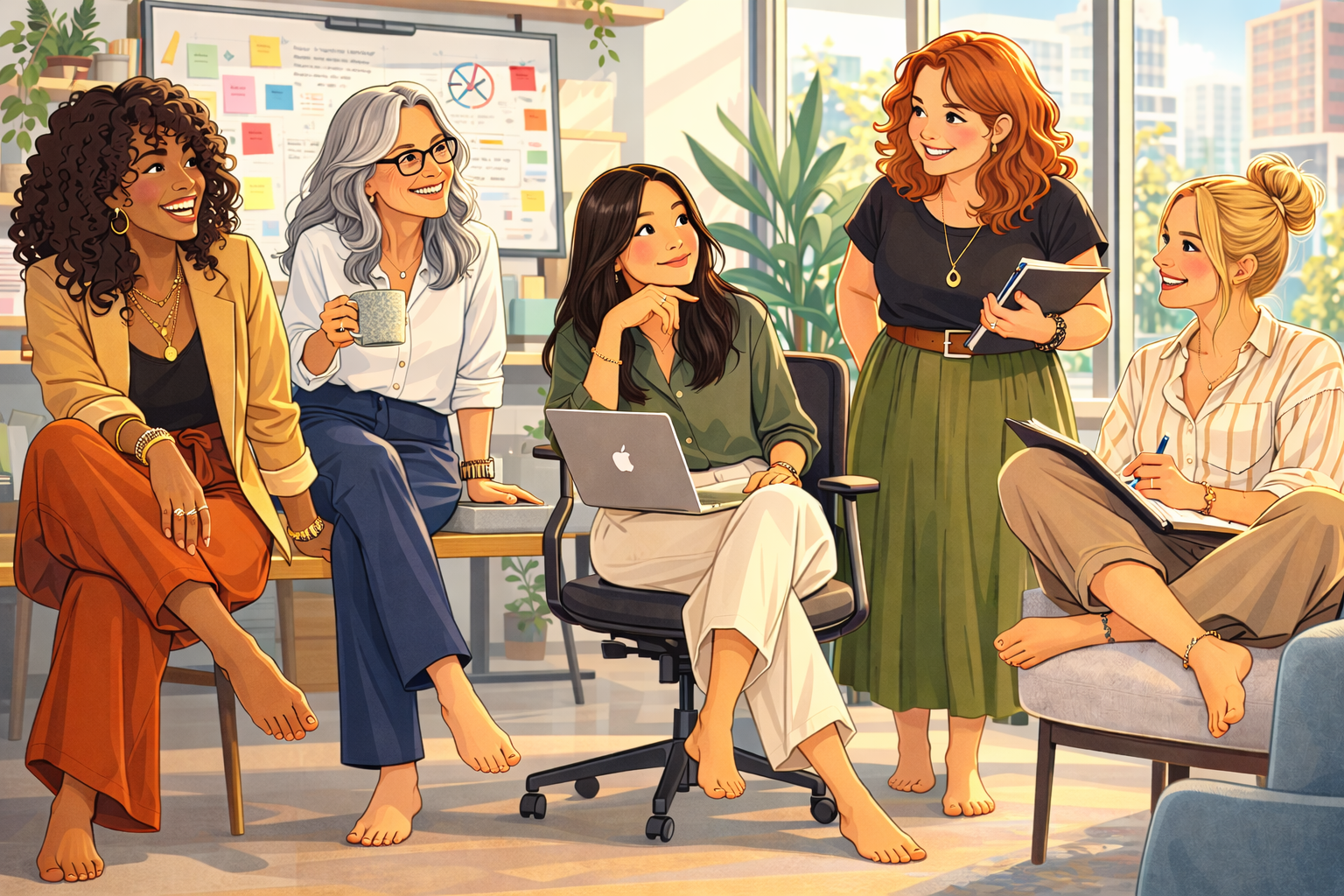
Office fashion has always reflected the mood of the workplace. In the 1980s it was power suits and shoulder pads; in the early 2000s it leaned toward business casual. Today, as work culture continues to evolve after the pandemic and the rise of hybrid schedules, a surprising new idea is slipping quietly into the conversation: going barefoot — or nearly so — at the office.
While traditional corporate environments still expect polished shoes and formal attire, a growing number of creative workplaces are experimenting with relaxed policies that allow employees to remove their shoes at their desks. Advocates say the trend blends comfort, health and a small but meaningful shift in how professional spaces feel.
A changing office culture
The modern workplace is undergoing a cultural reset. With employees returning to offices after years of remote work, companies are searching for ways to make offices feel less rigid and more comfortable.
Some startups and creative firms have experimented with “no-shoes” policies or shoe-optional environments, encouraging workers to leave outdoor footwear at the door and work in socks, slippers or occasionally bare feet. Supporters argue that small changes like this can help reduce stress and make offices feel more relaxed and collaborative. ([The Guardian][1])
In many cases the policy is about atmosphere rather than fashion. Removing shoes can make a workspace feel closer to home, and some employers say the change encourages calmness and creativity among employees. ([The Guardian][1])
Still, the idea is not without critics. Some see shoeless workplaces as informal to a fault, raising questions about hygiene, professionalism and generational expectations.
The minimalist footwear movement
For workers who prefer a compromise between barefoot comfort and traditional dress codes, minimalist footwear has become a popular solution. These shoes are designed with thin, flexible soles that mimic the sensation of walking barefoot while still providing protection and a polished appearance.
Brands that focus on minimalist footwear emphasize natural foot movement and posture, promoting shoes that allow the foot to flex and spread naturally while walking. ([Wikipedia][2])
Fashion trends have also played a role. Once considered eccentric, toe-separated minimalist shoes have recently appeared in celebrity fashion and runway styling, reflecting a broader shift toward comfort-driven design. ([Harper's BAZAAR][3])
For office workers, the result is a growing category of professional-looking minimalist shoes that pair easily with slacks, skirts or tailored clothing.
Comfort versus convention
Barefoot or minimalist fashion in the workplace sits at the intersection of comfort and tradition. Many offices still maintain dress codes that require conventional footwear, particularly in industries where client interaction is common.
But fashion history shows that workplace norms change slowly over time. The same offices that once required suits and ties eventually accepted polo shirts and sneakers. Hybrid work schedules, flexible dress codes and evolving expectations about workplace wellbeing are continuing to reshape what “professional” looks like.
Even in companies that allow more relaxed attire, however, the shoeless trend often comes with practical guidelines. Workers may be asked to keep their feet clean, wear indoor footwear in shared spaces or follow hygiene rules for kitchens and meeting rooms.
More than a fashion statement
Ultimately, the barefoot office trend may say more about modern work culture than about shoes themselves. Employees increasingly value comfort, autonomy and environments that feel less rigid than traditional corporate settings.
Whether through minimalist footwear, slippers under a desk or simply removing shoes during long work sessions, the idea reflects a broader shift toward workplaces designed around human comfort rather than strict formalities.
In the end, the future of office fashion may not be about abandoning professionalism. Instead, it may be about redefining what professionalism looks like — sometimes starting right at ground level.
========
Maren Ellsworth writes about culture, fashion and the subtle ways everyday habits shape modern life. This article was written, in part, utilizing AI tools.






Comments