Commentary: Don't ax proven ways to end homelessness
Published in Op Eds
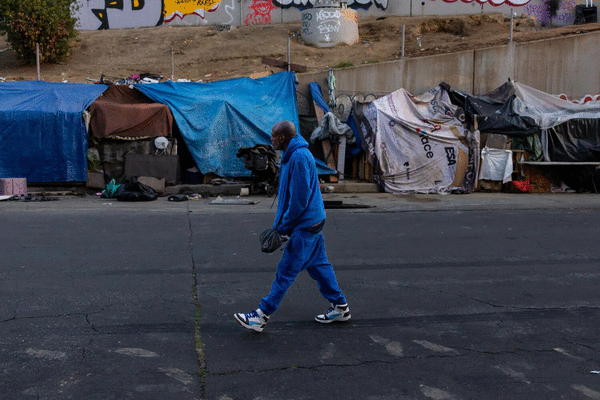
Recently, I attended a meeting of an advisory task force in Austin, Texas, where I live, to urge more funding for housing and shelter. As I sat in the parking lot before going inside, I realized it was the same parking lot where, not all that long ago, I slept in a tent.
I am no longer homeless, in large part due to the American Rescue Plan Act, signed into law in March 2021 by former President Joe Biden. That law sent nearly $2 trillion to communities to help recover from the COVID-19 pandemic. And, for the first time in a long time, people struggling to find housing and health care felt they had the government’s support.
In Austin, the ARPA funded eviction prevention, rental assistance, shelter, permanent supportive housing and harm reduction programs. I am among those who benefited.
I spent years cycling in and out of jail and homelessness while also battling cancer. I survived encampment sweeps, during which the city threw away our tents, blankets, food and even the harm-reduction supplies that were keeping us healthy. Each sweep erased whatever small stability I had managed to build. After I lost my birth certificate in one of the sweeps, it took me a full year to replace it.
Then, after seven and a half years living on the streets, I finally found housing in 2024 through a rapid rehousing voucher program funded by the ARPA. That voucher changed everything. I stabilized my health, found work and now live in an apartment where I pay my own rent.
I am not alone. Recently released federal data on homelessness collected during the first weeks of President Donald Trump’s second term shows a 3.3% decline in homelessness between 2024 and 2025. This happened as a result of investments made before Trump took office.
But now, Trump is pushing a shift away from long-term housing and toward ticketing, arrests and forced treatment for people who can’t afford rent or health care. His administration has proposed cuts to housing, health care and food assistance, along with rule changes that limit access to rental assistance and make it harder for families to qualify for help.
Under his model, more people will end up on the streets — and then be locked up.
Meanwhile, local and state governments across the nation have passed more than 200 new laws to criminalize homelessness and poverty, following a June 2024 U.S. Supreme Court decision, City of Grants Pass v. Johnson, that allowed them to do so. In Utah, officials have proposed a homeless detention camp where people without housing can be confined against their will.
These punitive approaches aren’t just inhumane — they are ineffective and will make matters worse. Prices have risen sharply for food, housing, utilities and other essentials. At the same time, Trump and Republicans in Congress have deeply slashed SNAP, Medicaid and other programs that keep people off the streets.
It doesn’t have to be this way. We know from the data that when the government invests in housing and health care, fewer people end up on the streets.
Today, my life looks completely different. I’m a community organizer, and I am in school studying engineering. I have rebuilt relationships with my family. In December, I was able to visit Puerto Rico, where I was born, for the first time since 1990.
My story didn’t end with sleeping in a parking lot or in a jail cell. It changed when I was given a real chance. That’s what everyone deserves.
____
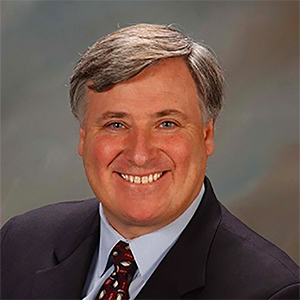
Alfredo Reyes Jr. is a resident of Austin, Texas, and an organizer with VOCAL-TX. This column was produced for Progressive Perspectives, a project of The Progressive magazine, and distributed by Tribune News Service.
_____
©2026 Tribune Content Agency, LLC.













































Comments