The fashionable dog: How canines became style icons and cultural signals
Published in Cats & Dogs News
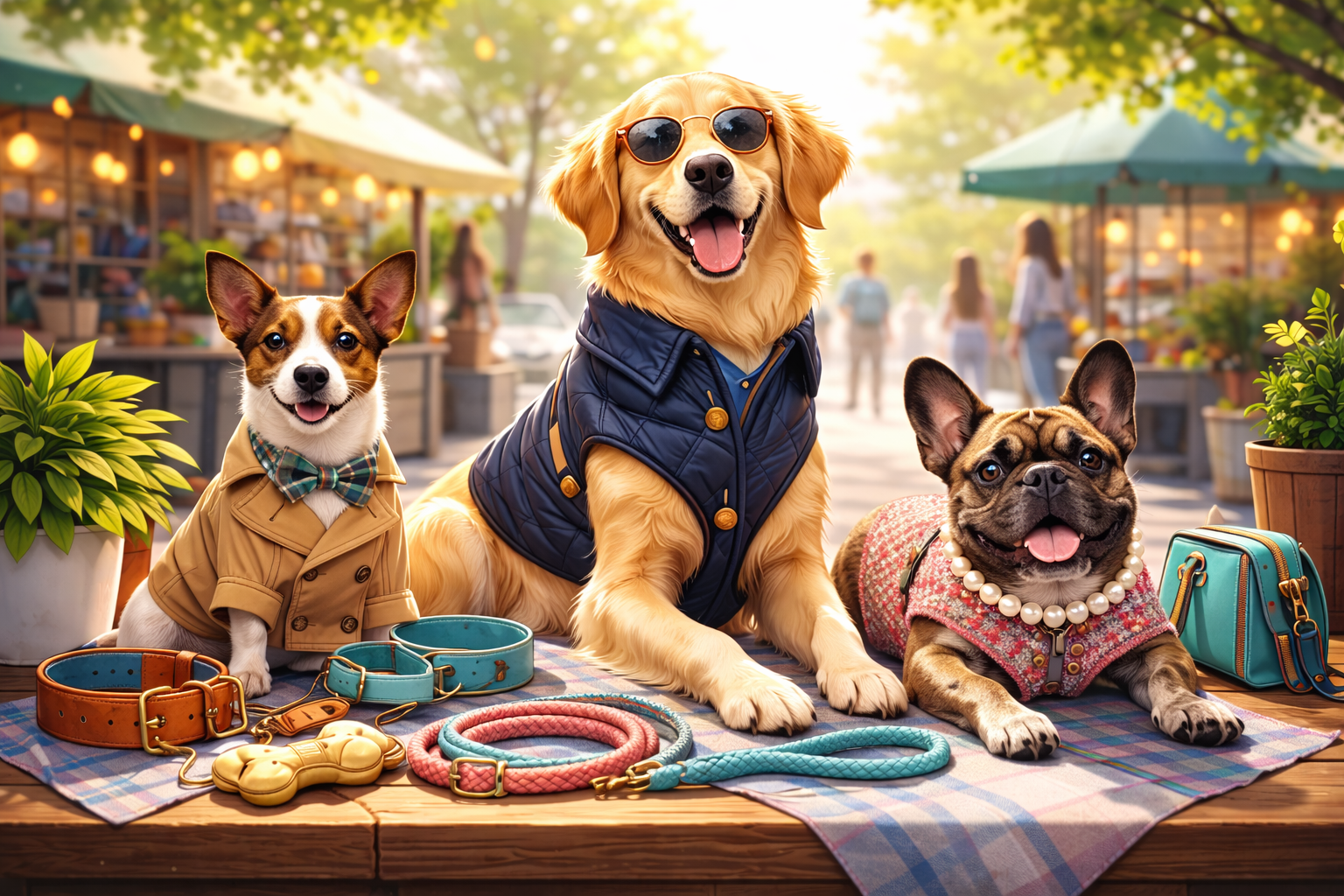
By the time a dog trots down a city sidewalk wearing a carefully chosen harness, seasonal sweater or custom bandana, few people stop to think how dramatically the role of dogs has changed. Once valued primarily for work—herding livestock, guarding homes or assisting hunters—today’s dogs increasingly function as companions whose appearance reflects the taste and personality of their owners.
Across cities and suburbs alike, dogs have become small ambassadors of lifestyle and fashion. Walk through a farmers market, a brewery patio or a neighborhood park and the range of canine attire is striking: fleece jackets in winter, breathable mesh harnesses in summer, coordinated collars and leashes, even raincoats for stormy days.
Pet fashion, once seen as frivolous, has quietly become a booming industry.
From utility to expression
Dogs have worn equipment for centuries, but historically those items were purely practical. Leather collars, protective coats for sled dogs and working harnesses for farm animals were designed for durability rather than style.
The shift began in the late 20th century as dogs moved from backyard roles into the home as full members of the family. Veterinary medicine improved, pets lived longer, and owners increasingly treated them as companions rather than animals performing a job.
That change opened the door to a new idea: if dogs were family, their appearance could be an extension of personal identity.
Today’s dog gear often reflects the same design trends seen in human clothing. Earth-toned leather collars evoke rustic minimalism. Bright nylon harnesses and athletic fabrics mirror the look of modern sportswear. Boutique brands offer handcrafted accessories that resemble luxury handbags or watches.
Owners often say the same thing when asked about their dog’s wardrobe: they are not dressing the animal for vanity, but for comfort, safety and a touch of fun.
Still, the aesthetic element is undeniable.
Small signals, big meanings
Dog fashion communicates subtle signals about owners and their lifestyles.
In urban neighborhoods, sleek harnesses and reflective leashes hint at active city living. On hiking trails, rugged collars and trail-ready packs suggest outdoor adventure. In colder climates, insulated coats are both functional and visually distinctive.
Even color choices can become part of the identity. Some owners match a dog’s collar or leash to their own clothing or accessories. Others coordinate with seasonal themes—orange bandanas for autumn, festive patterns for winter holidays.
Veterinarians and trainers note that while fashion plays a role, many accessories have genuine benefits. Properly fitted harnesses can reduce strain on a dog’s neck compared with traditional collars. Protective boots can shield paws from ice or hot pavement. Reflective materials improve visibility during evening walks.
The challenge is balancing style with comfort.
Dogs cannot voice their opinions, but they communicate through body language. A dog that freezes, scratches or attempts to remove clothing is clearly uncomfortable. Responsible owners learn to read those signals and adjust accordingly.
The rise of the “dog aesthetic”
Social media has accelerated the visibility of fashionable dogs.
Platforms filled with pet photos have transformed everyday animals into miniature celebrities. Influential accounts featuring stylish dogs can attract millions of followers and inspire entire lines of pet products.
Photography plays a role as well. Clean backgrounds, natural lighting and well-designed accessories turn a simple snapshot into a shareable image. Pet companies frequently collaborate with popular accounts to showcase new collars, coats and toys.
The result is a feedback loop: stylish dogs attract attention online, attention fuels demand for new accessories, and designers respond with increasingly creative products.
Yet even within this growing industry, there is a countercurrent emphasizing authenticity. Many owners reject overly elaborate costumes in favor of gear that reflects a dog’s real life—durable collars, comfortable harnesses and materials that age gracefully.
In that view, the most fashionable dog is not the one wearing the most elaborate outfit, but the one whose accessories suit its personality and environment.
A reflection of human relationships
Perhaps the most revealing aspect of dog fashion is what it says about human relationships with animals.
Modern pet owners often speak about their dogs with a language once reserved for family members. Birthdays are celebrated. Holiday gifts appear under the tree. Dogs accompany their people to outdoor restaurants, parks and road trips.
Fashion naturally follows intimacy. When people feel closely connected to an animal, they invest time and care in the details of its life—including appearance.
For many owners, selecting a collar or coat becomes an act of affection rather than vanity. The item is chosen not simply because it looks good, but because it reflects how the dog fits into daily life.
Some dogs project calm confidence in simple leather collars worn smooth by years of use. Others bound happily through the world wearing bright bandanas or playful patterns.
Either way, the message is similar: the dog belongs here.
The enduring appeal of the simple dog
Despite the growth of pet fashion, many dog owners ultimately arrive at a simple conclusion. After the sweaters, jackets and seasonal accessories, what matters most is the dog itself.
A muddy hound returning from a walk, a sleepy companion curled on the couch or a loyal friend waiting patiently at the door rarely needs decoration to be loved.
Fashion may highlight a dog’s personality, but it cannot replace it.
In the end, the most stylish dogs are often the ones whose appearance matches their character—whether that means a sleek urban harness, a weathered leather collar or nothing more than a wagging tail and a joyful stride down the street.
======== Rowan Alder writes about culture, design and the changing ways humans live alongside animals. This article was written, in part, utilizing AI tools.








Comments