7 things to know before adopting a Borzoi
Published in Cats & Dogs News
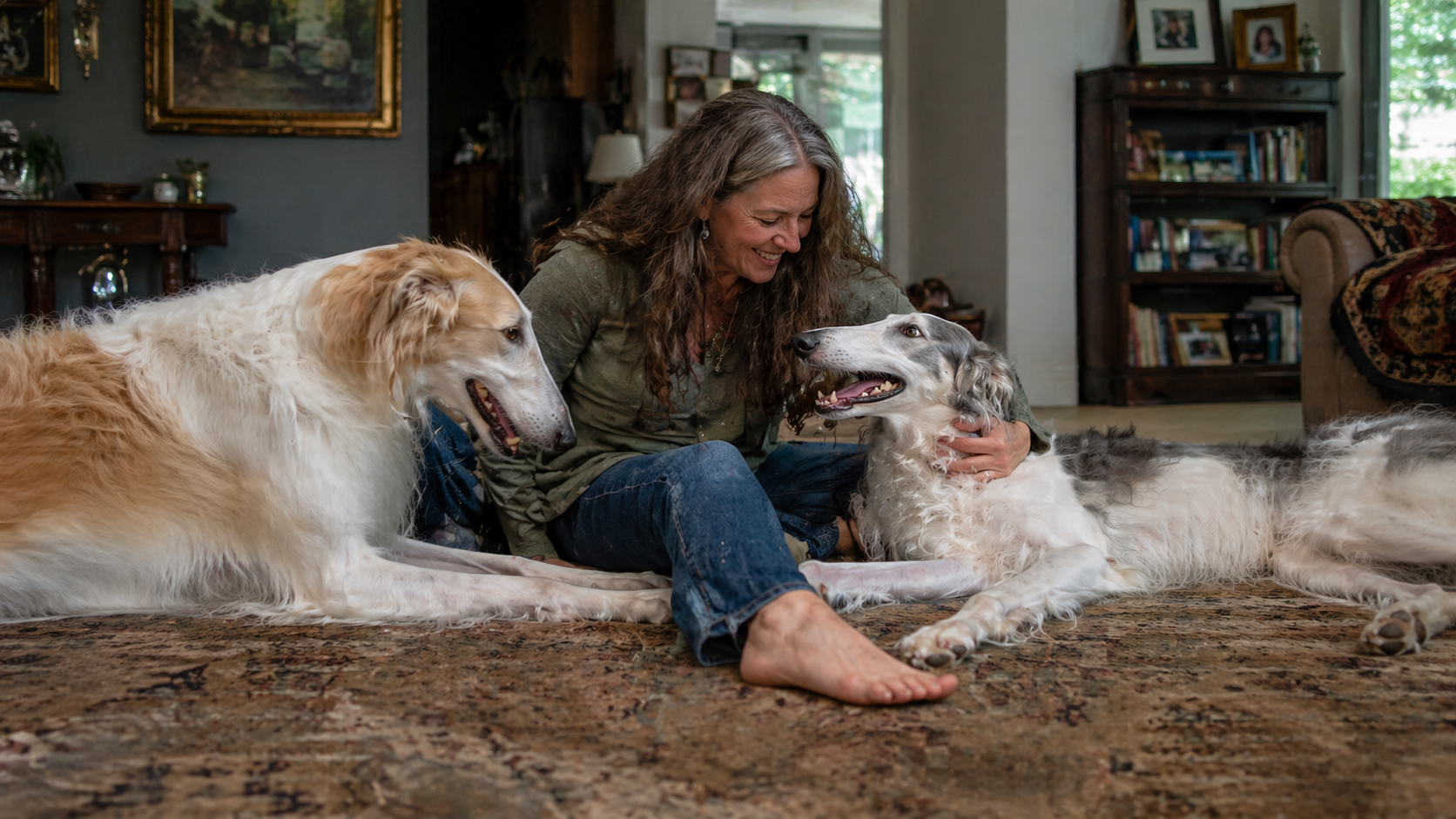
Tall, elegant and often described as “cats in dog bodies,” the Borzoi has surged in visibility thanks to social media, where its flowing coat and distinctive profile lend themselves to viral moments. But behind the aristocratic look is a breed with specific needs that can surprise first-time owners.
Originally developed in Russia for coursing game across open terrain, the Borzoi remains a specialized companion—affectionate, quiet and loyal, but not always intuitive for those expecting a typical dog experience. Prospective adopters should understand both the appeal and the challenges before bringing one home.
Here are seven things to know.
1. They are built for speed, not obedience
The Borzoi was bred to chase, and that instinct remains strong. While many dogs can be trained to reliably return when called, Borzois are famously independent thinkers.
“They’re not stubborn in a defiant sense,” said one longtime owner. “They just don’t see a reason to come back if something more interesting is happening.”
This means off-leash freedom is risky unless in a secure, enclosed space. A fenced yard—ideally large—is less a luxury than a necessity.
2. Their exercise needs are specific, not constant
Despite their athleticism, Borzois are not high-energy dogs in the traditional sense. They do not require hours of continuous activity, but they do need opportunities to run.
A typical routine might include a daily walk paired with occasional bursts of high-speed play in a safe area. Without that outlet, boredom can set in.
“They’re sprinters,” said a breed enthusiast. “They want to go fast for a short time, then they’re perfectly happy to lounge.”
3. They are gentle, but not always social
Borzois tend to form strong bonds with their households, often showing a quiet, almost reserved affection. However, they are not universally outgoing.
With strangers, many display a polite aloofness rather than enthusiasm. This extends to other dogs as well; early socialization helps, but the breed’s natural temperament leans toward selectivity.
Families expecting a highly social, attention-seeking dog may need to adjust expectations.
4. Their prey drive is real
Small animals—squirrels, rabbits, even cats—can trigger the Borzoi’s instinct to chase. This is not a behavior that can be fully trained out.
In homes with smaller pets, careful introductions and ongoing management are essential. Even then, supervision is recommended.
“It’s not aggression,” said one rescue volunteer. “It’s instinct. And instinct doesn’t switch off.”
5. Grooming is manageable—but not optional
The Borzoi’s long, silky coat is one of its defining features, but it requires regular care. Weekly brushing is typically sufficient to prevent matting, though seasonal shedding can increase the workload.
Bathing is occasional, and many owners note that the breed has relatively low odor compared to others.
“The coat looks high-maintenance,” said an owner. “But it’s more about consistency than complexity.”
6. They need space, but adapt to calm homes
While Borzois benefit from room to move, they are surprisingly well-suited to quiet indoor living. Many spend large portions of the day resting, often choosing a favorite spot and remaining there for hours.
Apartments are not out of the question, provided exercise needs are met. What matters more is the overall atmosphere.
“They thrive in calm environments,” said a breeder. “Too much chaos can stress them out.”
7. Their sensitivity requires a gentle approach
Borzois respond best to positive, low-pressure training methods. Harsh corrections can lead to withdrawal rather than compliance.
Owners often describe them as emotionally perceptive, reacting not just to commands but to tone and mood.
“You have to meet them where they are,” said a trainer familiar with the breed. “They’re not going to meet you halfway if you push too hard.”
---
For those willing to understand their unique nature, Borzois can be deeply rewarding companions. Their quiet presence, combined with moments of breathtaking speed and grace, offers a different kind of relationship—less about constant interaction, more about shared space and mutual respect.
But that relationship begins with preparation.
“They’re not a plug-and-play dog,” said one owner. “If you take the time to learn them, they’re incredible. If you don’t, you’ll both be frustrated.”
As with any adoption, research and honest self-assessment are key. The Borzoi may not be the right fit for every household—but for the right one, it can be unforgettable.
========
Rowan Ellery is a freelance features writer focusing on animals, lifestyle, and human-animal relationships. Their work explores the practical and emotional realities of pet ownership. This article was written, in part, utilizing AI tools.








Comments