Dealing with a Dog Who Likes to Chew
Published in Cats & Dogs News
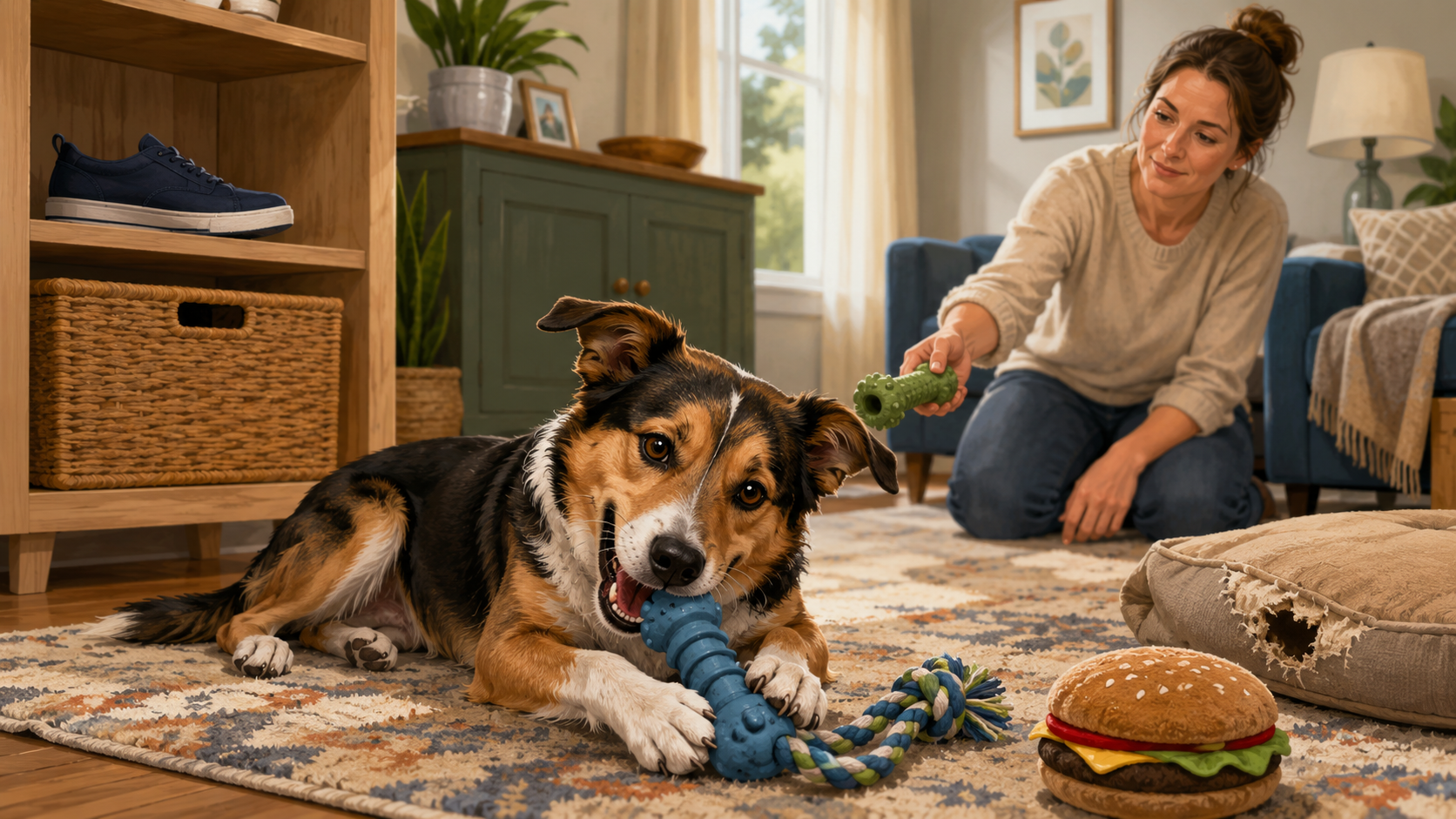
Chewing is one of the most normal things a dog can do. It is also one of the most expensive, frustrating and occasionally dangerous habits a household can face.
A dog that chews is not necessarily being stubborn, spiteful or “bad.” Dogs use their mouths to explore the world, relieve stress, soothe sore gums, burn energy and entertain themselves. The problem begins when that natural behavior lands on shoes, furniture, remote controls, baseboards, eyeglasses, pillows or anything else the family would rather keep intact.
The good news is that chewing can usually be redirected. The goal is not to stop a dog from chewing altogether. The goal is to teach the dog what is fair game, remove temptation and meet the need behind the behavior.
Start by asking why the dog is chewing
A puppy may chew because teething hurts. An adolescent dog may chew because the world is interesting and self-control is still a work in progress. An adult dog may chew from boredom, anxiety, excess energy, habit or lack of appropriate outlets.
The pattern matters. A dog that chews chair legs while everyone is gone may need more exercise, better confinement or help with separation distress. A dog that shreds tissues and food wrappers may be scavenging. A dog that grabs shoes when ignored may have learned that chewing gets attention, even if the attention is yelling.
Watch when and where the chewing happens. Is it after long periods alone? During noisy household activity? Late in the day? When the dog is under-exercised? The answer helps shape the solution.
Dog-proof before you train
Training is easier when the dog cannot rehearse the wrong behavior all day.
Put shoes in closets, laundry in hampers, trash behind closed doors and children’s toys out of reach. Move cords, books, remotes and glasses. Use baby gates, closed doors or a crate if the dog is crate trained and comfortable there. A safe room with water, a bed and appropriate chew items can prevent damage while the dog is learning.
This is not giving in. It is management. A dog cannot learn household manners if the house is set up like a chew-toy buffet.
Offer better choices
A dog who likes to chew needs legal things to chew. Choose several textures and types, because dogs have preferences. Some like rubber toys. Some like softer chew items. Some like toys that can be stuffed with food. Some want something they can carry and gnaw.
Size matters. A chew should be too large to swallow and sturdy enough that the dog cannot immediately break off dangerous pieces. Avoid anything so hard it cannot be dented with a fingernail, especially for enthusiastic chewers. Very hard bones, antlers and some nylon chews can damage teeth. Toys that shred easily, expose squeakers or break into chunks should be removed.
No chew is perfect for every dog. Supervise new items until you know how your dog handles them.
Make the right chew more rewarding
Do not simply hand over a toy and hope for the best. Make approved chewing valuable.
Stuff a rubber toy with part of the dog’s meal. Smear a little dog-safe treat inside. Freeze a food-stuffed toy for longer-lasting work. Rotate toys so they do not become boring. Praise the dog calmly when it settles with the right item.
If the dog picks up a forbidden object, trade rather than chase. Offer a treat or approved toy, then remove the stolen item. Chasing turns the whole thing into a game, and a dog who learns that grabbing a sock starts a thrilling pursuit may keep doing it.
Use exercise and mental work
Many chewing problems improve when the dog is properly tired.
That does not always mean a long run. Sniff walks, basic obedience, food puzzles, training games, fetch, tug with rules and short sessions of “find it” can drain energy in useful ways. Mental work is especially important for smart, young or high-drive dogs.
A bored dog will invent a job. Unfortunately, the job may be remodeling the sofa.
Build chewing into the daily routine. After a walk, give the dog a safe chew in a calm spot. After dinner, use a food toy. Before leaving the house, offer something appropriate and long lasting. Predictable outlets help reduce random destruction.
Do not punish after the fact
Coming home to a chewed cushion can test anyone’s patience. But punishment after the fact does not teach the dog what to do instead.
A dog may look “guilty,” but that look often reflects fear, confusion or experience with an angry owner. The dog does not connect today’s yelling with the cushion destroyed an hour earlier in a way that builds better habits.
Interrupt only when you catch the dog in the act. Keep it brief. Say “leave it” or another familiar cue, redirect to an approved chew and praise the better choice. Then fix the setup so the dog is less likely to make the same mistake again.
Watch for anxiety
Some chewing is not about fun. Dogs with separation distress may chew doors, windowsills, crates or exit points. They may also bark, drool, pace, urinate, defecate or try to escape when left alone.
That kind of chewing needs a different approach. More chew toys alone may not solve it. The dog may need gradual alone-time training, a change in routine, help from a qualified trainer or behavior professional, and sometimes veterinary guidance.
If the dog is injuring itself, breaking teeth, swallowing dangerous objects or panicking when alone, treat it as a welfare issue, not a nuisance.
Know when to call the vet
A sudden change in chewing can sometimes point to a medical problem. Dental pain, gastrointestinal issues, hunger, medication changes or compulsive behavior can all affect what a dog puts in its mouth.
Call a veterinarian if the dog chews or eats nonfood objects, vomits, has diarrhea, loses appetite, breaks teeth, drools excessively or seems unable to settle. Also call promptly if the dog may have swallowed cloth, plastic, metal, batteries, medication, cooked bones, string, toy pieces or anything toxic.
It is better to be mildly embarrassed than dangerously late.
Be consistent and patient
Chewing habits do not disappear overnight. A puppy may need months of management. A newly adopted dog may need time to understand the rules of the house. A dog who has practiced destructive chewing for years will need repetition and structure.
The formula is simple, though not always easy: prevent access to forbidden objects, provide appealing legal chews, reward the right choices, meet the dog’s exercise needs and address anxiety or medical concerns when they appear.
A dog who chews is not trying to ruin your life. He is trying to meet a need. Once that need is met in a safer, clearer way, the furniture, shoes and remote controls have a much better chance of survival.
========
Maren Ellswick is a pet and home writer who focuses on practical animal care for busy families. She writes about dogs, cats and the everyday habits that help people and pets live together more peacefully. This article was written, in part, utilizing AI tools.




Comments