Six Things to Know About Dalmatians
Published in Cats & Dogs News
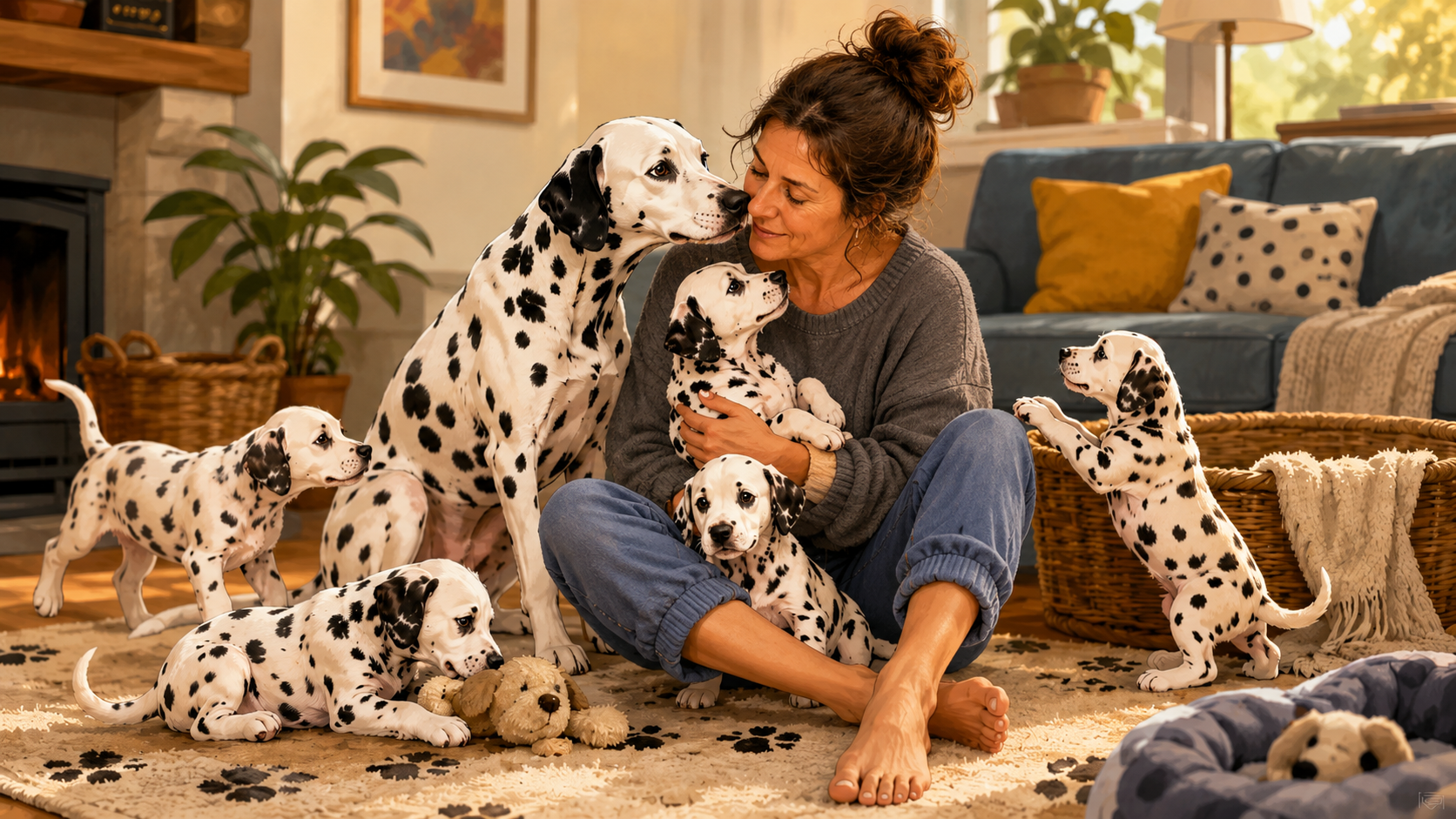
Dalmatians are among the most recognizable dogs in the world, thanks to their spotted coats, athletic build and long association with firehouses, carriages and popular culture. But behind the striking appearance is a breed with specific needs, a strong personality and a history that helps explain why these dogs are not the right fit for every household.
For families willing to provide exercise, structure and attention, Dalmatians can be loyal, funny, affectionate companions. For owners looking for a low-maintenance couch ornament, they can quickly become too much dog.
They were bred to move
Dalmatians are not decorative dogs, even if their coats make them look like walking artwork.
Historically, they were used as carriage dogs, trotting alongside horse-drawn vehicles for long distances. That background still matters. Many Dalmatians have stamina, alertness and a need for regular physical activity. A quick trip around the block may not be enough for a young, healthy Dalmatian.
They often do best with owners who enjoy walking, running, hiking, training or other active routines. Without enough exercise, they may invent their own activities, such as chewing, barking, counter-surfing or turning the living room into an obstacle course.
This does not mean every Dalmatian needs marathon-level workouts. Age, health and individual temperament matter. But the breed’s default setting is active, and prospective owners should plan accordingly.
Those famous spots take time to appear
Dalmatian puppies are typically born mostly white, with their spots developing as they grow. The spots can continue to change and become more distinct during puppyhood.
That coat is one of the breed’s great charms. Each Dalmatian’s pattern is different, giving every dog an individual look. Spots may be black or liver-colored, and they appear not only on the coat but sometimes on the skin beneath.
The short coat can give the impression that Dalmatians are easy to groom, and in many ways they are. They do not require elaborate haircuts or constant brushing. However, they do shed. Owners often discover that short white hairs have an impressive ability to cling to clothing, furniture and car interiors.
Regular brushing can help, but anyone bringing home a Dalmatian should make peace with some spotted-dog glitter around the house.
They are smart, but not always easy
Dalmatians are intelligent dogs, and that intelligence can be both a gift and a challenge.
A well-trained Dalmatian can learn quickly, respond beautifully to routines and become a delightful partner. But a bored Dalmatian may use that same intelligence to test boundaries. These dogs often need consistency, fair rules and positive training from an early age.
They are usually not well served by harsh handling. Dalmatians can be sensitive, and heavy-handed correction may make them anxious, defensive or stubborn. They tend to respond better when training is clear, upbeat and rewarding.
Because they can be energetic and strong-willed, early socialization is important. Exposure to different people, dogs, places, sounds and situations helps them grow into confident adults. A Dalmatian who learns manners early is much easier to live with than one who is allowed to become a spotted tornado.
Deafness is a known breed concern
One of the most important health issues associated with Dalmatians is deafness. Some Dalmatians are born deaf in one ear or both ears, and responsible breeders take hearing seriously.
A dog who is deaf in one ear may function very well but still needs understanding and careful training. A dog who is deaf in both ears can also have a good life, but training and safety require extra attention. Hand signals, visual cues, fenced areas and careful management around traffic become especially important.
Prospective owners should ask breeders about hearing tests and health screening. Rescue adopters should ask what is known about the dog’s hearing and behavior. Deafness does not make a Dalmatian unlovable or untrainable, but it does mean the owner must be prepared.
As with any breed, good veterinary care, responsible breeding and realistic expectations matter.
Their diet may need extra attention
Dalmatians have a distinctive urinary system that can make them more prone to certain types of urinary stones. Because of that, diet and hydration are especially important.
Owners should talk with a veterinarian about appropriate food, water intake and any signs of urinary trouble. Problems such as straining to urinate, frequent attempts to urinate, blood in the urine or obvious discomfort should be treated as serious and addressed quickly.
Many Dalmatians live long, healthy lives, but this is not a breed where diet should be an afterthought. Fresh water should always be available, and owners should pay attention to changes in bathroom habits.
This is also a good reason to choose reputable sources when learning about Dalmatian care. Internet folklore, trendy diets and casual advice from strangers may not be enough. A veterinarian familiar with the breed’s risks can help owners make better decisions.
They need to be part of the family
Dalmatians are often affectionate, social dogs. Many want to be included in whatever the household is doing. They may enjoy being near their people, riding in the car, going on walks, playing games or supervising ordinary chores.
That social nature is part of their appeal. A Dalmatian can be a funny, expressive, loyal companion with a big personality. But it also means they may not do well if ignored, isolated or left alone for long stretches without enough exercise and engagement.
They are not simply pretty dogs. They are busy, observant, emotional creatures who need attention and purpose. A Dalmatian who is treated as a full family member is more likely to thrive than one left to entertain himself.
For the right owner, a Dalmatian can be a wonderful dog: athletic, bright, striking and deeply attached. For the wrong owner, the breed can be overwhelming. The key is honesty. Anyone considering one should look past the spots and ask whether they can provide the time, training, movement and companionship this breed deserves.
========
Marissa Vale is a freelance pet and lifestyle writer who focuses on practical animal care and everyday home life. She lives with two rescue dogs, one elderly cat and a rotating collection of muddy tennis balls. This article was written, in part, utilizing AI tools.








Comments